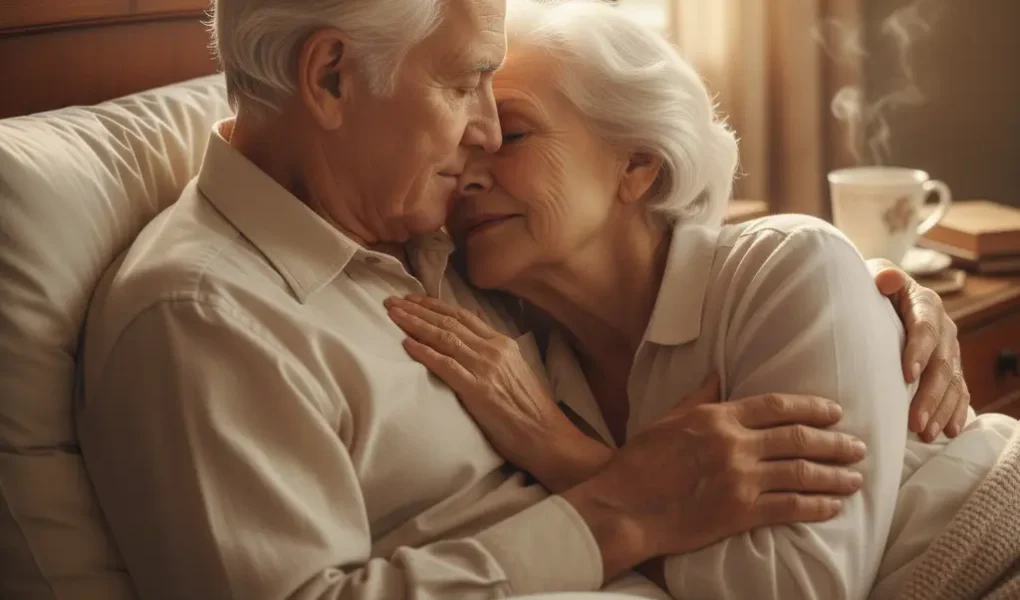
There is a persistent, almost stubborn myth in our culture that sex belongs exclusively to the young. We see it in movies, advertising, and even in doctor’s offices: the assumption that once you cross the threshold of 70 or 80, the “bedroom door” effectively closes for good.
But if you speak to any geriatrician or, better yet, a healthy 80-year-old couple, you’ll find a very different story. Intimacy doesn’t have an expiration date. While the frequency of lovemaking in 80-year-olds certainly looks different than it did in their 20s, it remains a vital, life-affirming part of the human experience.
In this deep dive, we’re going to look at the real statistics behind sexual activity by age, the biological shifts that occur in the ninth decade of life, and why maintaining a connection is one of the best things you can do for your longevity.
What the Data Actually Says: Sex by the Numbers
When we talk about “sexual activity,” we have to define it broadly. For some, it’s intercourse; for others, it’s the “outercourse”—the touching, kissing, and deep physical closeness that sustains a partnership.
According to a landmark study published in the New England Journal of Medicine, a surprising number of seniors remain sexually active. While the frequency naturally declines with the decades, the “fire” is rarely extinguished completely.
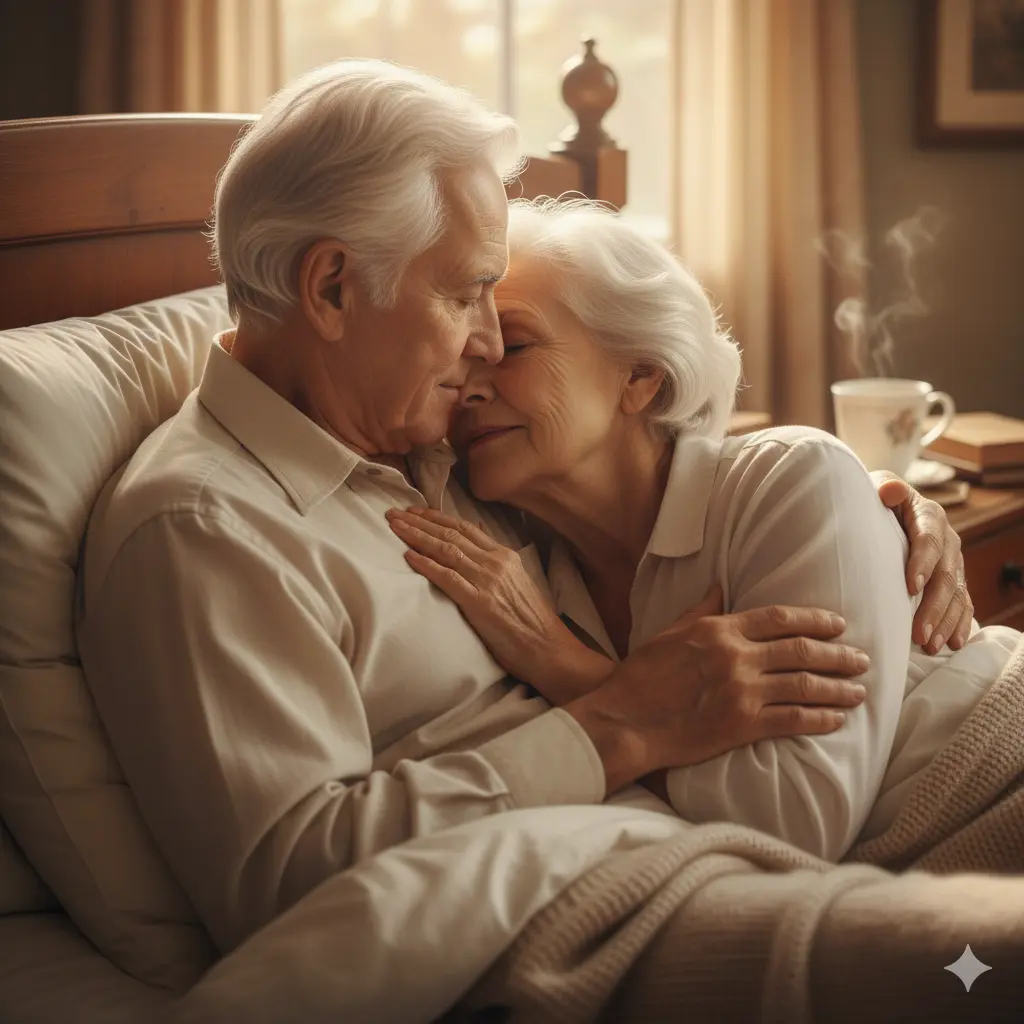
Statistical Breakdown of Sexual Activity by Age
| Age Group | Percentage Sexually Active (At least once/month) | Primary Form of Intimacy |
| 50–59 | ~65–70% | Intercourse / Mutual Stimulation |
| 60–69 | ~50–60% | Intercourse / Heavy Petting |
| 70–79 | ~25–35% | Oral Sex / Touching / Intercourse |
| 80–90 | ~15–20% | Sensual Touching / Cuddling / Oral |
Key Takeaway: While the “frequency of lovemaking in 80-year-olds” might average out to once or twice a month for active couples, the focus shifts heavily toward emotional intimacy and “sensual maintenance.”
Why the Frequency Changes: The Biological Reality
It would be intellectually dishonest to suggest that sex at 80 is the same as sex at 30. The body undergoes significant physiological changes that require adaptation. However, adaptation is not the same as cessation.
1. Hormonal Shifts
For women, the post-menopausal years bring a significant drop in estrogen, which can lead to vaginal atrophy and dryness. For men, testosterone levels continue to dip, which can affect libido and the ability to maintain an erection. According to Harvard Health, “Low T” is common, but often manageable through lifestyle or medical intervention.
2. Chronic Health Conditions
By age 80, many individuals are managing conditions like arthritis, diabetes, or heart disease.
- Arthritis can make traditional positions painful.
- Diabetes can impact blood flow, leading to erectile dysfunction (ED).
- Heart Disease medications (like beta-blockers) can occasionally dampen desire.
3. The “Use It or Lose It” Phenomenon
There is a biological truth to the idea that regular sexual activity helps maintain the health of sexual organs. In women, regular stimulation promotes blood flow to the pelvic region, keeping tissues more elastic. In men, regular erections help maintain the health of the penile tissues.
Understanding the Emotional Landscape: How Girls Feel During Romance
The Benefits: Why Sex Matters in Your 80s
If the physical act becomes more difficult, why do so many 80-year-olds continue to pursue it? The answer lies in the profound psychological and physical rewards.
- Cognitive Health: Some studies suggest a correlation between regular sexual activity and better cognitive function in older adults. The dopamine and oxytocin released during intimacy act as a “brain buffer” against stress.
- Cardiovascular Exercise: While not a replacement for a brisk walk, the physical exertion of lovemaking is a gentle way to keep the heart engaged.
- Longevity and Mood: According to the AARP, seniors who maintain an active sex life report lower rates of depression and a higher “will to live.” It wards off the isolation that often plagues the elderly.
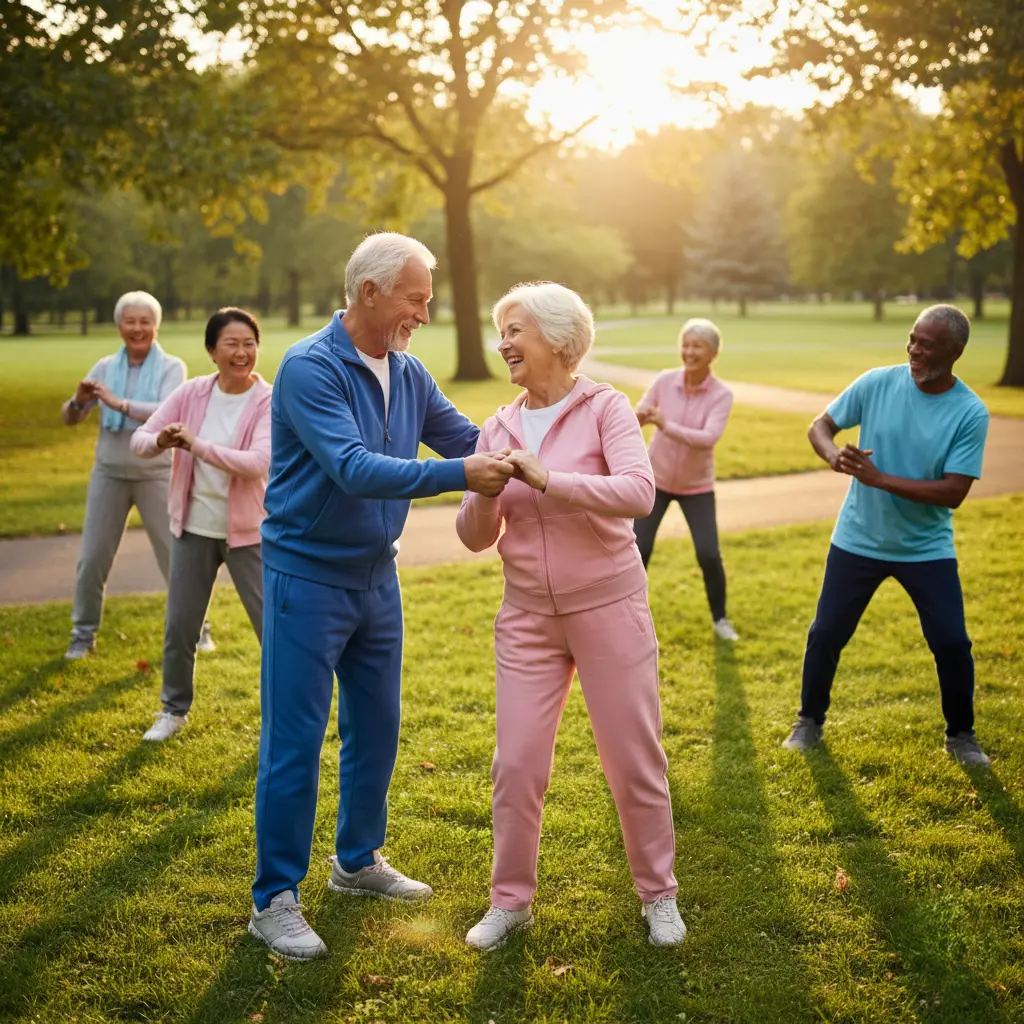
Redefining “Lovemaking”: Quality Over Mechanics
One of the most beautiful aspects of aging is the shift in perspective. In youth, sex is often goal-oriented (climax). In your 80s, sex becomes process-oriented.
When we look at the sexual activity of the 80+ demographic, we see a rise in “Slow Sex.” This involves:
- Extended Foreplay: Taking hours or even a whole day to build intimacy through words, touch, and proximity.
- Sensate Focus: A technique where couples focus on the sensation of touch without the pressure of performance.
- The “Non-Demand” Approach: Removing the expectation of intercourse allows for a more relaxed environment where intimacy can actually flourish.
Overcoming Obstacles: Practical Advice for Seniors
If you or a partner are approaching your 80s and want to maintain your connection, there are practical steps you can take to overcome the hurdles of aging.
Talk to Your Doctor
Many seniors are embarrassed to discuss sex with their physicians, but you shouldn’t be. Doctors can offer solutions for vaginal dryness (like localized estrogen creams) or prescribe medications for ED that are safe for your heart.
Timing is Everything
In younger years, “nighttime is the right time.” At 80, fatigue is a real factor. Many active seniors find that morning sex is more successful because energy levels are higher and certain medications haven’t caused lethargy yet.
Invest in Comfort
Don’t be afraid to use pillows for support to ease the pressure on arthritic joints. Lubrication is also non-negotiable; as we age, the body’s natural processes need a little help from high-quality, water-based lubricants.
Communication
This is the most important “tool” in the bedroom. At 80, you know your partner better than anyone else. Being honest about what feels good and what doesn’t is the key to maintaining frequency.
The Role of Companionship vs. Libido
It is important to acknowledge that for some 80-year-olds, the “drive” for physical sex diminishes entirely, and that is perfectly normal too. Sexual activity by age is a bell curve; there are outliers on both ends.
For many, “lovemaking” evolves into holding hands while watching the sunset or the simple intimacy of helping one another get dressed. These acts of service are, in their own way, a form of deep sexual devotion. The Mayo Clinic notes that intimacy is a “spectrum,” and as long as both partners are satisfied, the “frequency” number doesn’t actually matter.
Summary of Sexual Activity Trends by Decade
| Decade | Focus of Intimacy | Frequency Trend |
| 20s–30s | Exploration & Reproduction | High / Very Active |
| 40s–50s | Stress Management & Reconnection | Moderate / Variable |
| 60s–70s | Emotional Depth & Adaptation | Steady / Declining |
| 80s+ | Comfort, Trust & Sensual Touch | Low Frequency / High Meaning |
Final Thoughts: The Golden Age of Intimacy
The frequency of lovemaking in 80-year-olds may not make headlines, but it is a testament to the resilience of the human heart. Sexual health is a part of overall health. By rejecting the stigma that seniors are “asexual,” we allow ourselves to age with dignity, pleasure, and connection.
Whether it’s once a week or once a year, the act of reaching out for another person’s hand—or more—is a powerful reminder that we are alive. Aging takes a lot from us, but it doesn’t have to take our capacity for love.