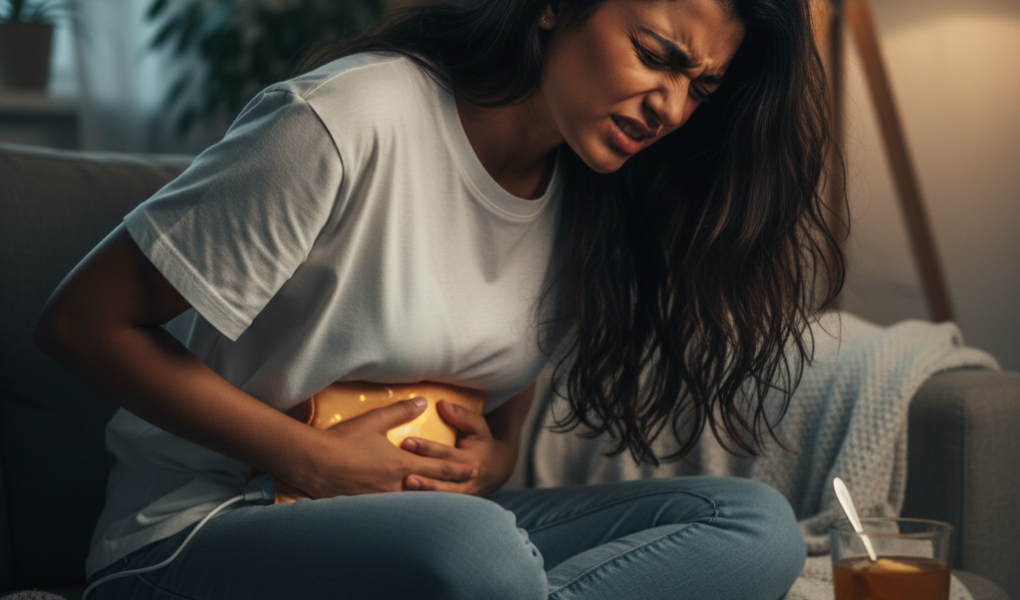
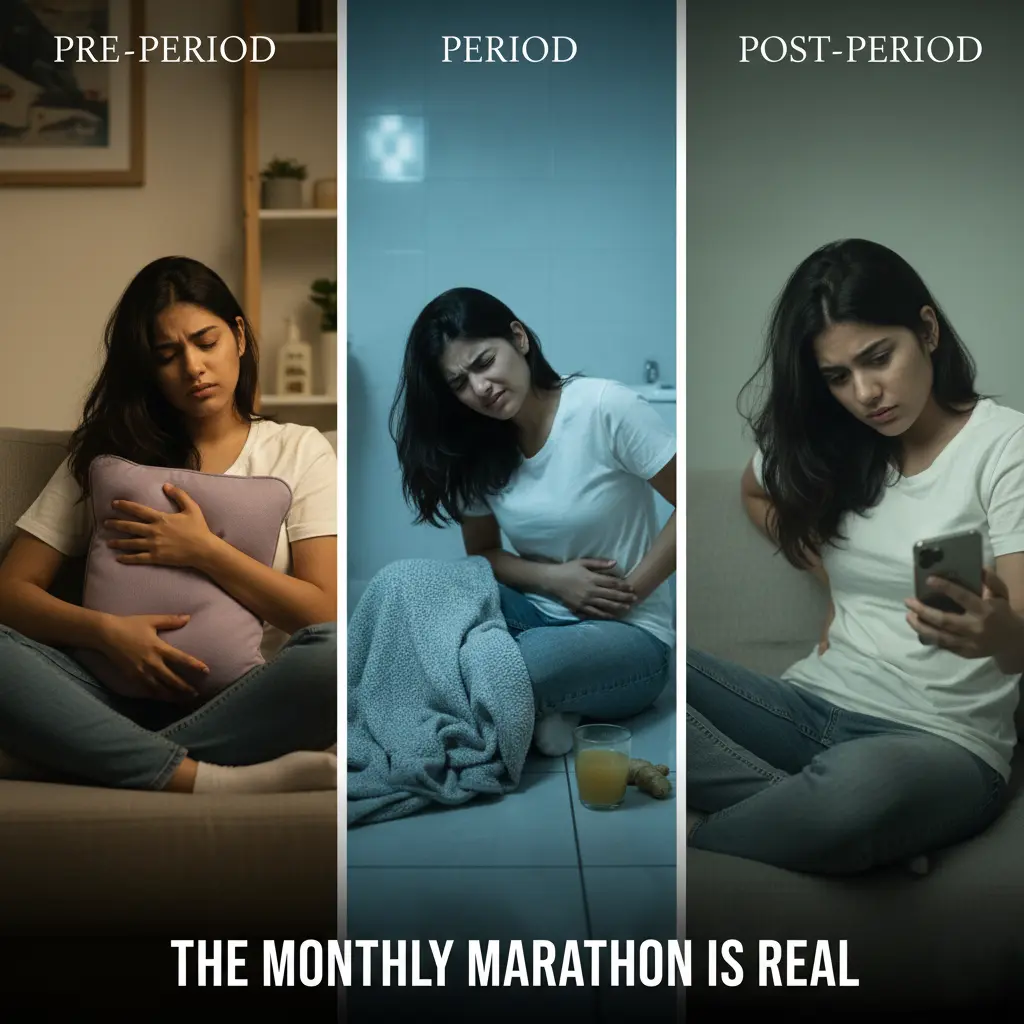
If you’ve ever sat on your bathroom floor at 2:00 AM, clutching a heating pad and wondering why your body feels like it’s being wrung out like a wet towel, you aren’t alone. For many of us, the “monthly visitor” isn’t just a few days of bleeding; it’s a marathon of physical and emotional endurance.How to manage the Pre and Post Menstural Cramps,here the tips and truth.
What are the Pre and Post Period Cramps?
But here is the thing that really gets people: the pain doesn’t always follow the schedule. We expect the discomfort when the period starts, but what about the week before? And why on earth do some of us deal with pre and post periods cramps that linger long after the tampons and pads have been tucked back into the cabinet?
In this deep dive, we’re going to look at the “Before, During, and After” of menstrual pain. We’ll explore why prostaglandins are your body’s frenemies, why post-period pain is a “thing” that doctors are finally starting to talk about, and how you can actually find relief.
The Menstrual Timeline: More Than Just the Bleeding Phase
To understand pre and post periods cramps, we first have to look at the menstrual cycle as a four-phase event, not just a one-week annoyance.
| Phase | Timing | What’s Happening? | Cramp Status |
| Follicular | Day 1 to Ovulation | Estrogen rises, lining builds. | Usually low, except the first few days. |
| Ovulation | Mid-cycle | Egg release. | “Mittelschmerz” (sharp mid-cycle pain). |
| Luteal | Post-ovulation | Progesterone peaks then drops. | Pre-period cramps begin here. |
| Menstrual | The Bleed | Lining sheds. | The “Main Event” of cramping. |
1. The “Pre”: Why Do We Cramp Before the Bleed?
Most people assume cramps start when the blood shows up. But for a significant portion of the population, the dull ache starts 3 to 7 days prior. This is often part of PMS (Premenstrual Syndrome) or, in more severe cases, PMDD (Premenstrual Dysphoric Disorder).
The Science of Prostaglandins
The primary culprit behind pre-period pain is a group of hormone-like substances called prostaglandins. Right before your period starts, the cells in the lining of your uterus begin producing these chemicals.
Prostaglandins make your uterine muscles contract to help shed the lining. However, if your body produces too many, or if you are particularly sensitive to them, those contractions don’t just feel like “shedding”—they feel like a charley horse in your gut.
Authority Insight: According to theAmerican College of Obstetricians and Gynecologists (ACOG), higher levels of prostaglandins are directly linked to more severe menstrual pain (dysmenorrhea).
Secondary Dysmenorrhea
If your pre-period cramps are so intense they keep you from work or school, it might be Secondary Dysmenorrhea. This is pain caused by a disorder in the reproductive organs, such as:
- Endometriosis: Where tissue similar to the uterine lining grows outside the uterus.
- Fibroids: Non-cancerous growths in the uterine wall.
- Adenomyosis: When the lining grows into the muscle wall of the uterus.

2. The “Post”: Why Does It Still Hurt After It’s Over?
This is the part that confuses most people. You’ve finished your period, the bleeding has stopped, and you’re ready to get on with your life—but the cramps are still there. Post-menstrual cramps are less talked about but equally frustrating.
Lingering Inflammation
Just because the bleeding has stopped doesn’t mean the inflammation has cleared out. If your body had a particularly high “prostaglandin storm,” it can take a few days for the uterine tissues to settle back into their resting state.
Hormonal “Withdrawal”
As you transition from your period back into the follicular phase, your estrogen levels are at their lowest and just beginning to climb. For some, this hormonal “trough” can cause muscle sensitivity and generalized pelvic discomfort.
The “Iron Gap”
Heavy periods can lead to temporary anemia or low iron. Low iron levels are linked to increased muscle cramping and fatigue. If you feel “achy” and exhausted for 3-4 days after your period, it might be worth checking your ferritin levels.
Could it be “Mittelschmerz”?
If your period lasts 7 days and you start cramping again on day 10 or 12, you might actually be feeling ovulation pain. About 20% of women experience a sharp or dull ache on one side of the lower abdomen when the ovary releases an egg.
Understanding Women’s Sexual Health After Menopause: The Ultimate Guide to Reclaiming Intimacy
3. When to Worry: Red Flags in Pre and Post Period Pain
While some discomfort is considered “normal,” there is a point where you need to advocate for your health. If you are experiencing any of the following, please consult a specialist:
- Pain that doesn’t respond to NSAIDs: If Ibuprofen or Naproxen does nothing for your pain, it’s a sign of a deeper issue.
- Pain during intercourse: This is a classic symptom of endometriosis or pelvic inflammatory disease.
- Bowel or urinary pain: Cramping that feels like it’s coming from your bladder or rectum during your cycle needs investigation.
- Increasing severity: If your cramps are getting worse as you get older, it isn’t “just aging”—it’s a change in your reproductive health.
Expert Resource: TheEndometriosis Foundation of Americaprovides excellent resources for identifying if your “bad cramps” are actually a medical condition that requires surgery or specialized care.
4. The Toolkit: How to Manage the Pain
When you’re dealing with pre and post periods cramps, you need a multi-pronged approach. One “magic pill” rarely solves everything.
The Medical Route
- NSAIDs (The Prostaglandin Blockers): Drugs like Ibuprofen work best if taken before the pain peaks. If you know your cramps start two days before your period, talk to your doctor about starting a low dose 24 hours in advance to block prostaglandin production.
- Hormonal Birth Control: Pills, IUDs, or patches can thin the uterine lining. Less lining = fewer prostaglandins = less pain.
The Holistic Route
- Heat Therapy: It sounds basic, but a heating pad increases blood flow to the uterus, which helps the muscles relax.
- Magnesium Supplements: Magnesium is a natural muscle relaxant. Many women find that taking a magnesium glycinate supplement in the week leading up to their period reduces the intensity of contractions.
- TENS Machines: Small, wearable devices that send tiny electrical pulses to the nerves. They “scramble” the pain signals before they reach your brain.
5. The “Cramp-Proof” Diet: What to Eat (and Avoid)
What you put in your body in the two weeks leading up to your period (the Luteal Phase) significantly impacts how much you will suffer.
Avoid These “Inflammation Triggers”:
- Excessive Salt: Causes water retention and bloating, which puts more pressure on the uterus.
- Refined Sugar: Spikes insulin, which can lead to higher inflammation and worse cramping.
- Caffeine: Caffeine is a vasoconstrictor (it narrows blood vessels), which can make uterine contractions feel more intense.
Embrace These “Cramp-Fighters”:
- Omega-3s: Found in salmon, walnuts, and flaxseeds. Research in the Journal of Psychosomatic Obstetrics & Gynecology suggests that Omega-3s are as effective as some painkillers for menstrual distress.
- Leafy Greens: High in calcium and magnesium, which help with muscle function.
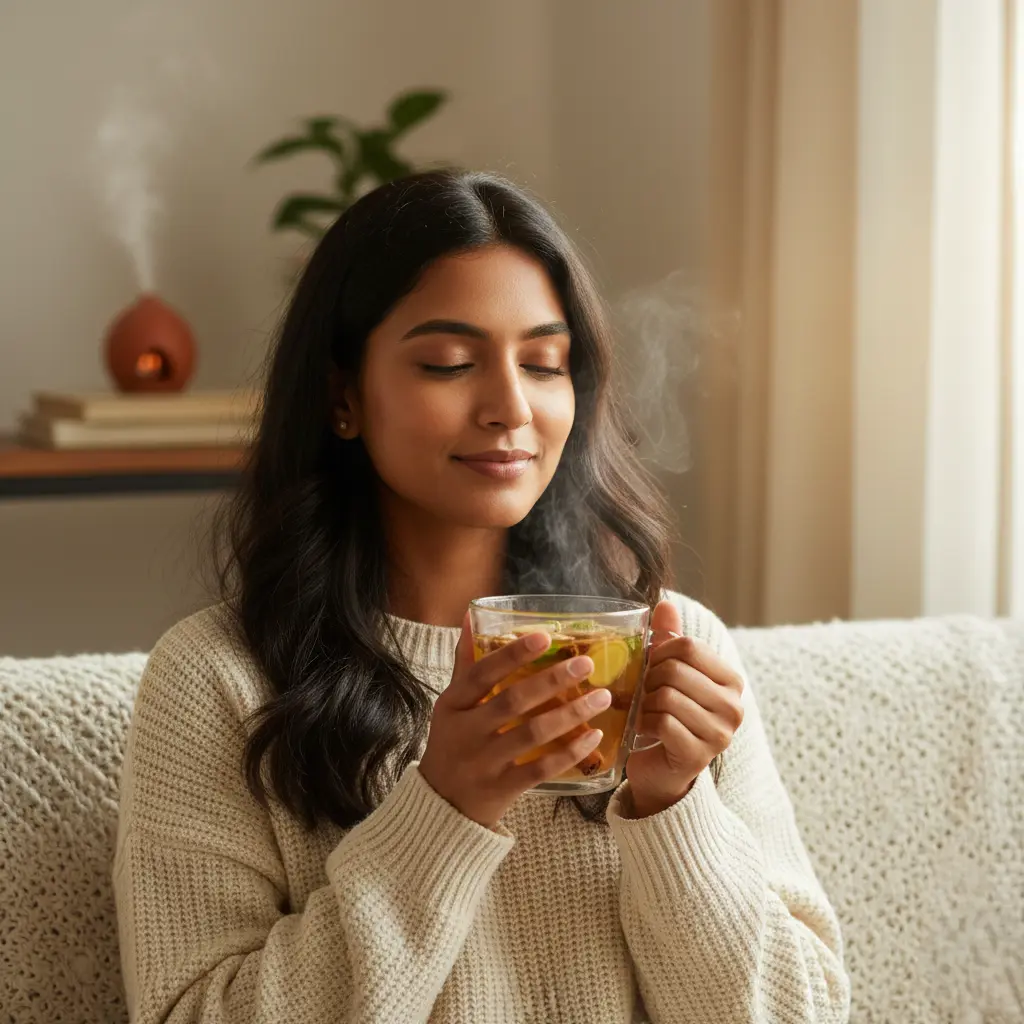
- Ginger Tea: Ginger is a potent natural anti-inflammatory. Drinking 2-3 cups a day starting 3 days before your period can be a game-changer.
6. The Psychological Connection: Stress and Pain
We often treat the body and mind as separate, but they are deeply connected. High stress increases cortisol, and high cortisol can disrupt the balance of progesterone and estrogen.
When you are stressed, your perception of pain is amplified. This is why “stressful months” often result in the most painful periods. Incorporating “nervous system regulation” into your cycle—like deep breathing, gentle yoga, or even just taking a “slow day”—isn’t just self-care; it’s pain management.
Summary: Listening to Your Body’s Internal Clock
Dealing with pre and post periods cramps is an exercise in patience and self-awareness.
- Pre-period pain is usually your body’s reaction to the hormonal shift and the buildup of prostaglandins.
- Post-period pain is often the result of lingering inflammation, low iron, or the beginning of the next cycle’s ovulation prep.
The most important thing to remember is that you don’t have to “tough it out.” If your cramps are dictating your life, there is help available. Whether it’s through nutritional changes, medical intervention, or physical therapy, you deserve to live a life that isn’t put on hold for two weeks every month.